Best Miller Welder for Aluminum: Dynasty 300 vs. 400
Looking for the best Miller welder for aluminum? Choosing the right machine depends on the thickness of the aluminum, the type of projects you handle, and whether you need TIG, MIG, or both.
For precision aluminum welding, AC TIG is one of the most popular choices. Miller’s Dynasty series offers AC/DC TIG welding with models designed for everything from general fabrication to heavy-duty aluminum work.
In this guide, we’ll compare the Miller Dynasty 300 and Dynasty 400 and explain when TIG or MIG may be the better option for your aluminum welding projects.
1. Choosing the Best Miller Welder for Aluminum
Why AC TIG Is a Good Choice for Aluminum
Aluminum transfers heat quickly and develops an oxide layer on its surface. Because of this, having good control over the welding arc is important.
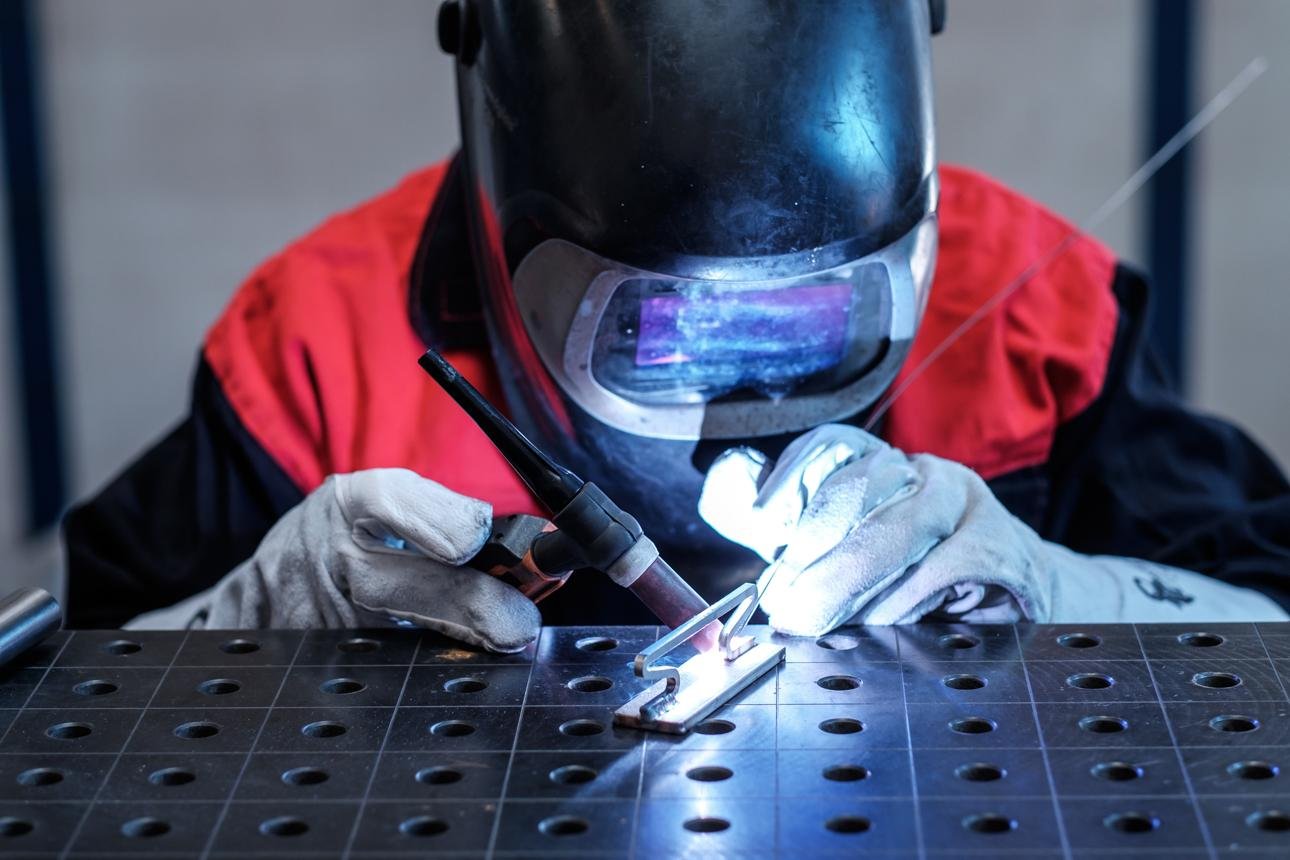
AC TIG provides the control needed for detailed aluminum welding. It is commonly used for fabrication, repairs, tubing, tanks, automotive components, and other projects where weld appearance and precision matter.
The Miller Dynasty 300 is an AC/DC TIG and Stick welder with a 1-300 amp output range. Miller lists aluminum welding and fabrication among its applications.
What Should You Look for in an Aluminum Welder?
When choosing an aluminum welding machine, don’t look only at the maximum amperage. Consider the thickness of the material you normally weld, duty cycle, AC TIG controls, portability, and power requirements.
A machine that is too small may struggle with thicker aluminum. On the other hand, buying a much larger machine than you need can add unnecessary cost and weight.
For many general fabrication jobs, a 300-amp machine provides a useful balance between power and portability.
Aluminum Thickness Matters
The thickness of your aluminum should play a major role in your decision.
The Miller Dynasty 300 is designed for aluminum applications up to about 3/8 inch. If you regularly work with thicker material, the Dynasty 400 provides additional capacity.
Miller rates the Dynasty 400 for aluminum applications up to 5/8 inch. That makes it a better option for heavier fabrication and thicker aluminum components.
2. Best Miller Welders for Aluminum
Best Overall: Miller Dynasty 300
For most professional aluminum welding applications, the Miller Dynasty 300 is our top choice.
It combines AC/DC TIG and Stick welding with a 1-300 amp output range. Its compact design also makes it easier to move around a shop or take to different work areas.
The Dynasty 300 is a strong option for aluminum fabrication, repair work, tubing, automotive projects, and general shop welding.
If you’re looking for one machine that offers professional TIG performance without moving into a much larger industrial welder, the Dynasty 300 is an excellent choice.
You can browse the available Miller Dynasty 300 welders at Welding Machine Supply.
Best for Thicker Aluminum: Miller Dynasty 400
The Miller Dynasty 400 is the better choice when you regularly weld thicker aluminum.
With up to 400 amps of output, the Dynasty 400 provides more capacity than the Dynasty 300. Miller rates it for aluminum applications up to 5/8 inch.
This additional power can be valuable for heavy fabrication, industrial repair, larger aluminum components, and applications where a 300-amp machine may not provide enough capacity.
If your projects regularly involve thicker aluminum, the extra output of the Dynasty 400 can make it a worthwhile upgrade.
See the available Miller Dynasty 400 welders before choosing your machine.
Dynasty 300 vs. Dynasty 400
The decision between the Dynasty 300 and Dynasty 400 comes down mainly to your workload and material thickness.
The Dynasty 300 is the better choice for general aluminum fabrication when portability and versatility are important. It provides enough output for many common aluminum projects.
The Dynasty 400 is better suited to welders who regularly work with thicker aluminum and need additional amperage.
If most of your aluminum is under 3/8 inch, the Dynasty 300 is likely the more practical choice. For thicker applications, the Dynasty 400 gives you more room to work.
TIG or MIG for Aluminum?
Both TIG and MIG can be used for aluminum, but they are suited to different types of work.
TIG is often preferred when you need precise control, a clean weld appearance, and the ability to carefully control heat input.
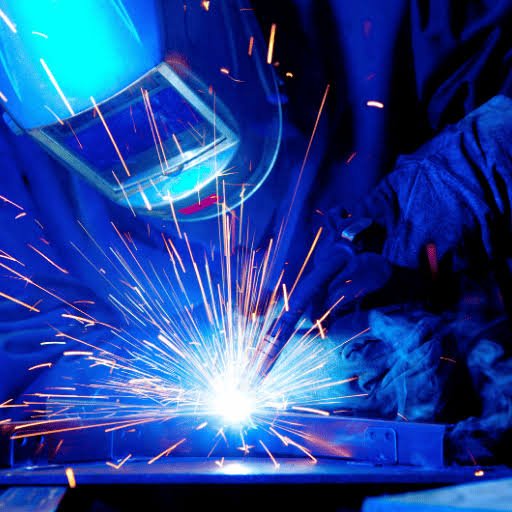
MIG can be a better choice when welding speed and production are more important. It can be useful for larger aluminum fabrication jobs where faster welding is desirable.
You can compare the available Miller MIG welders if you need a production-oriented aluminum welding solution.
How to Choose the Right Miller Aluminum Welder
Best Miller Welder for General Aluminum Fabrication
For general aluminum fabrication, the Dynasty 300 offers an excellent combination of power, control, and portability.
It is suitable for many projects involving aluminum tubing, brackets, components, repairs, and custom fabrication.
Its AC/DC TIG capability also means you are not limited to aluminum. You can use the machine for other metals and welding applications as well.
Best Miller Welder for Thick Aluminum
If you frequently weld thick aluminum, the Dynasty 400 is the better choice.
Its higher output gives you additional capacity for larger and heavier aluminum components. It is especially useful for professional shops that regularly handle demanding fabrication projects.
Choosing a machine with enough output can help prevent you from being limited by your equipment when a thicker project comes into the shop.
When Should You Choose MIG?
Consider MIG when production speed is a major priority.
For larger fabrication jobs, MIG can provide faster welding and higher deposition rates than TIG. It can be especially useful when you have many similar aluminum components to weld.
However, TIG remains an excellent choice when precision and appearance are more important than speed.
If you’re specifically looking for TIG equipment, you can browse the available Miller TIG welders.
New or Used Miller Aluminum Welder?
A new Miller welder gives you access to current features and a known equipment history. However, a used machine can be a practical option when you’re working with a tighter budget.
When buying used, inspect the machine carefully. Check the controls, cables, torch, cooling system, power connections, and overall condition.
For a used TIG machine, it is also important to verify that the machine produces a stable AC arc and operates correctly before purchasing.
Frequently Asked Questions
What is the best Miller welder for aluminum?
The Miller Dynasty 300 is our top overall choice for aluminum welding. It provides AC/DC TIG capability and up to 300 amps, making it suitable for many aluminum fabrication and repair applications.
Is the Miller Dynasty 300 good for aluminum?
Yes. The Dynasty 300 is an AC/DC TIG machine designed for professional welding applications, including aluminum. It is rated for aluminum applications up to approximately 3/8 inch.
Is the Dynasty 400 better than the Dynasty 300?
The Dynasty 400 is better if you regularly weld thicker aluminum. It provides up to 400 amps and is rated for aluminum applications up to 5/8 inch.
Should I use TIG or MIG for aluminum?
TIG is generally a better choice when precision and weld appearance are important. MIG can be preferable when welding speed and production are the main priorities.
What Miller welder should I buy for thick aluminum?
For aluminum up to 5/8 inch, the Miller Dynasty 400 is a strong option. For very heavy aluminum applications, a higher-output Dynasty model may be more appropriate.
Final Recommendation
If you’re searching for the best Miller welder for aluminum, the Miller Dynasty 300 is our top overall recommendation.
It provides a strong combination of AC/DC TIG capability, 300-amp output, portability, and aluminum welding performance. For general fabrication and repair work, it offers a practical balance of power and versatility.
If you regularly work with thicker aluminum, the Miller Dynasty 400 is the better choice. Its additional output provides more capacity for heavy aluminum fabrication.
Before buying, consider the aluminum thickness you normally weld, the type of projects you handle, and whether TIG or MIG better matches your workflow. Choosing the right machine from the beginning can give you better results and better value over time.

Add comment