
No products in the cart.
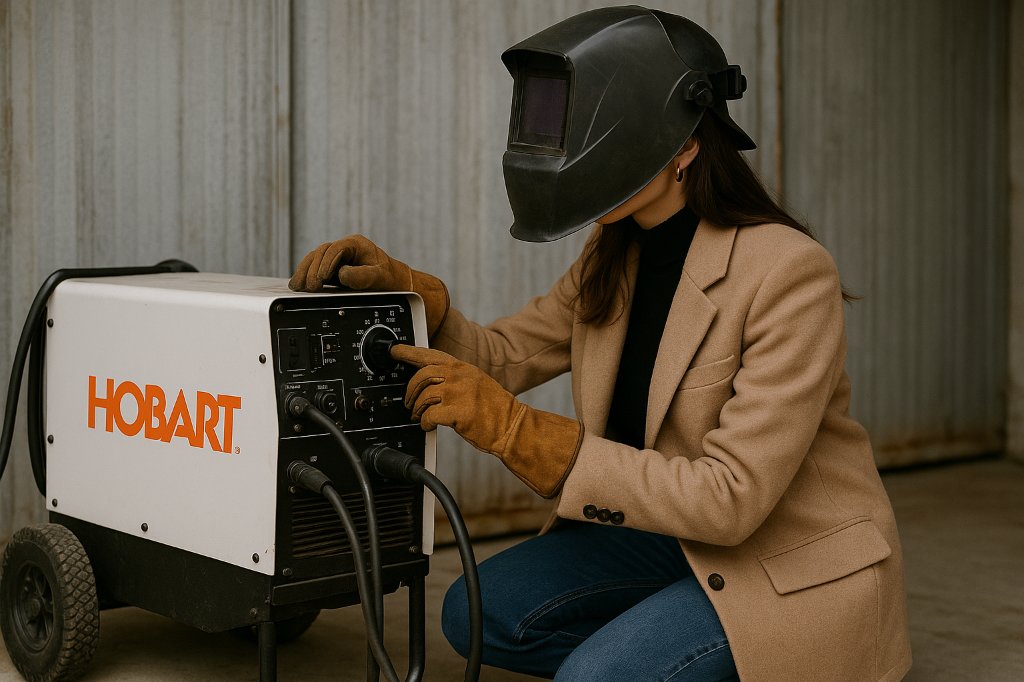
Expert Guide to Hobart Generator Welder: Power, Portability, Performance, and Practical Uses
In the world of heavy-duty construction, fabrication, and field repair, professionals often face one recurring challenge — the need for portable, consistent power and reliable welding capability in remote locations. That’s precisely where the Hobart Generator Welder steps into the spotlight. This machine combines two essential functions — power generation and welding — in one rugged, efficient unit. Its dual-purpose design saves time, reduces equipment load, and ensures performance continuity even in off-grid or outdoor environments.
Welders, contractors, and industrial technicians rely on this technology not only for its welding efficiency but also for its unmatched dependability in generating auxiliary power for lights, tools, and machinery. The following comprehensive guide explores every dimension of this remarkable equipment — from its history and technology to practical applications, technical features, and comparisons with competing brands.
The Evolution of Welding Power: A Historical Overview
Welding technology has come a long way since its early days of simple electric arcs and manual control. The industry’s evolution toward integrated systems began in the mid-20th century when portable generators became more accessible. Hobart, a pioneer in welding innovation, recognized a gap in the market — professionals needed a single device that could provide power in the field while also enabling strong, efficient welds.
From that idea emerged the generator welder hybrid. Initially, these machines were bulky and fuel-hungry. Over time, however, technological improvements led to models that were lighter, quieter, and more fuel-efficient. Hobart’s introduction of its Champion and Elite series redefined expectations, blending industrial performance with ergonomic portability.
Understanding the Dual Functionality: Power Generation Meets Welding
The genius behind Hobart’s design lies in its ability to act as both a generator and a welder simultaneously. A built-in engine drives an alternator that produces electricity, while a dedicated output provides stable amperage for welding. This combination is ideal for mobile welding operations, pipeline repair, farm maintenance, and construction work where grid power may not exist.
Unlike traditional setups where separate machines are required, the integrated design minimizes setup time and fuel consumption. Moreover, the consistent power output ensures a clean, stable arc — a crucial factor for quality welding. Operators can power lights, grinders, saws, and compressors directly from the unit while continuing to weld.
Technical Strengths That Define Hobart’s Reputation
Hobart is known for manufacturing highly efficient, durable, and user-friendly machines. Several key factors define their success in the generator-welder category:
Power Output Options: Models such as the Hobart Champion 10000 and Hobart Champion Elite 225 deliver 9,500 to 11,000 watts of continuous power. This capacity supports both heavy-duty welding and auxiliary tools simultaneously.
Reliable Engine Technology: The engines, often Briggs & Stratton or Kohler, are engineered for long lifespans and easy maintenance.
Advanced Duty Cycles: High duty cycles (up to 100% at lower amperage settings) allow for extended operation without overheating.
Portability: Despite their strength, most Hobart models feature compact frames and manageable weights. The Hobart 145 Welder/Generator, for example, balances portability with solid welding capacity.
The combination of engineering precision and ergonomic design ensures these machines perform reliably across different terrains and working conditions.
Applications: Where Hobart Generator Welders Excel
Professionals across multiple industries find these units invaluable. Their flexibility allows for operation in diverse environments:
Construction Sites: Ideal for powering tools and welding reinforcement structures on-site.
Agriculture and Ranching: Essential for repairing machinery, gates, and fencing in remote areas.
Pipeline Maintenance: Trusted for welding pipes where electrical access is limited.
Emergency Services: Offers power backup during disasters and facilitates quick repair operations.
Metal Fabrication: Provides a one-stop power and welding solution in workshops with limited space.
Each use case highlights how these generator welders save time, reduce operational costs, and provide professional-grade performance.
Comparing Power Classes and Models
Hobart’s product lineup caters to a range of power needs, ensuring there’s a model for every application. Understanding the differences helps buyers make informed decisions:
Hobart 145 Welder/Generator: Compact, gas-powered, and perfect for light fabrication, repair, and farm work.
Hobart Champion Elite 225: Offers both AC and DC welding capabilities, with high amperage and continuous auxiliary power output.
Hobart Champion 10000: Delivers steady 10,000-watt performance, suitable for demanding professional environments.
Hobart 225 Welder/Generator: Strikes the right balance between affordability and industrial reliability.
In addition, Hobart offers engine-driven welder models for mobile or outdoor operations, ensuring consistent voltage even under variable load conditions.
Exploring Key Technical Aspects and Specifications
To truly appreciate the sophistication of these machines, one must understand the parameters that influence welding and power generation efficiency:
Amperage Range: Most models offer flexible welding output ranging from 40A to 225A, accommodating both light and heavy applications.
Power Output: The Hobart Welder/Generator 10,000 Watt model remains the most popular due to its ability to support grinders, plasma cutters, and lights simultaneously.
Fuel Efficiency: Hobart’s latest engines optimize combustion, extending runtime to over 12 hours on a single fuel tank.
Noise Control: Built-in mufflers and vibration isolation systems reduce operational noise, enhancing comfort during extended use.
Durability: Frames are designed with corrosion-resistant coatings, protecting components from dust, moisture, and extreme temperatures.
Every technical aspect has been carefully optimized to deliver a seamless experience for professionals demanding reliability and mobility.
Maintenance and Longevity: Why Hobart Machines Endure
Longevity defines value in industrial tools. Hobart generator welders stand out for their simplified maintenance routines. Regular oil changes, air filter replacements, and periodic inspection of electrical connections are usually all that’s needed. Their modular design allows easy access to engine components, while durable materials prevent premature wear.
Owners often highlight how these machines remain dependable for over a decade with consistent care. Spare parts availability further enhances their lifespan. You can explore Hobart Generator Welder Parts and manuals through official suppliers for authentic replacements and maintenance tips.
Fuel Types and Efficiency Considerations
Different Hobart models use various fuel sources, such as gasoline, diesel, or propane. Gasoline models offer flexibility and widespread availability, while diesel units are preferred for their torque and efficiency in industrial operations. Propane-powered machines appeal to eco-conscious users who prioritize cleaner combustion and longer storage stability.
Choosing the right fuel type depends on operational frequency, environment, and available infrastructure. Hobart provides clear guidance for each model, ensuring users can match performance with practicality.
Power Quality and Arc Stability
A key aspect of welding success lies in maintaining arc consistency. Hobart machines achieve this through advanced inverter technology and voltage regulation systems. The stable power supply prevents arc flicker and maintains smooth metal transfer, even under heavy load. This technology also protects sensitive electronics like plasma cutters and grinders when using generator power simultaneously.
The consistent voltage output benefits welders who frequently shift between electrodes or work with varying material thicknesses. This is one reason professionals compare Hobart’s reliability favorably with competitors like Lincoln Welder Generator models.
Safety Features and Operator Confidence
Hobart prioritizes safety across its product range. Each machine includes:
Overload protection to prevent overheating.
Low-oil shutdown systems to protect the engine.
Thermal overload sensors for circuit stability.
Ground fault protection on auxiliary outlets.
These measures not only safeguard the machine but also enhance operator confidence in high-stakes environments.
Real-World Performance: What Makes Hobart Stand Out
Real-world tests consistently demonstrate Hobart’s reliability under harsh conditions. Their machines sustain continuous operation in heat, dust, and humidity — environments that often challenge inferior brands. Users frequently praise how quickly these welders start, the stability of their power output, and the low vibration levels during operation.
The combination of power density, longevity, and user control defines Hobart as a leader in generator-welder integration.
Integration with Modern Equipment and Accessories
Many modern workshops rely on smart power systems and automated tools. Hobart’s compatibility with electronic devices, including inverter welders and CNC machines, gives it a technological edge. Using the right cables and grounding methods ensures efficient energy distribution and minimal interference.
For users interested in exploring complementary power solutions and commercial energy setups, the All Electrics Commercial MowingTech Solutions page provides insight into high-performance power systems used in industrial and agricultural applications.
Comparing Hobart to Other Industry Leaders
While Hobart competes with global brands like Miller and Lincoln, it often appeals to professionals seeking American craftsmanship combined with affordability.
Is Hobart made by Miller?
Although both share a history within Illinois Tool Works (ITW), Hobart operates independently with its own engineering and design teams.Is Hobart made in the USA?
Yes, most Hobart welders and generator welders are manufactured in Troy, Ohio, maintaining strict quality standards.
This dedication to domestic production contributes to their reliability and customer trust worldwide.
Understanding Generator Sizing and Power Calculations
Selecting the right size generator depends on total wattage requirements. For example, operating a 200-amp welder requires at least 7 to 8 kVA (roughly 10,000 watts). Hobart’s 11,000-watt models comfortably exceed this demand, providing power reserves for auxiliary tools.
Understanding the relationship between kilowatts (kW) and kilovolt-amperes (kVA) helps users plan power distribution efficiently. Hobart provides comprehensive manuals and charts to assist with proper load management, minimizing risk of overdraw or circuit damage.
Portability and Design Philosophy
While power and performance remain core priorities, Hobart places equal emphasis on portability. Rubberized handles, durable wheel kits, and reinforced frames simplify transportation. Compact dimensions make these units ideal for mobile technicians, repair crews, and small contractors.
Even heavy-duty models like the Champion 10000 remain manageable due to strategic weight distribution and balance.
Environmental Impact and Sustainability
Modern users demand efficiency without environmental compromise. Hobart addresses this by using cleaner-burning engines, recyclable materials, and noise-dampening technology. Reduced emissions align their machines with modern sustainability standards while maintaining robust power output.
Such considerations highlight Hobart’s commitment to innovation that benefits both industry and environment.
Cost Efficiency and Long-Term Value
Though the initial investment in a generator welder may seem significant, long-term value justifies the cost. Combining two machines into one reduces fuel, maintenance, and storage expenses. The reliability and low downtime ensure consistent productivity.
Even when purchasing a Used Hobart Welder Generator for Sale, buyers often find lasting value, as pre-owned models maintain high resale potential due to proven durability.
Manuals, Models, and After-Sales Support
Hobart provides extensive documentation to guide users in setup, troubleshooting, and maintenance. The Hobart Generator Welder Manual outlines everything from power calibration to spare part replacement. Moreover, local service centers and online parts suppliers ensure long-term accessibility.
Comprehensive model lists — including the Hobart Generator Welder Models and Hobart Generator Welder for Sale pages — allow professionals to compare features, performance, and compatibility efficiently.
Practical Questions Every Buyer Should Consider
Before purchasing, buyers often ask:
What are Hobart welder generators used for?
They’re designed for mobile welding and power generation in off-grid or industrial settings.How long will a Hobart welder generator run?
Most models operate 10–12 hours on a full tank under moderate load.How much does one weigh?
Depending on the model, weight ranges from 150 to 300 pounds.Are welder generators good for long-term use?
Absolutely. When properly maintained, they provide dependable service for years.
Conclusion: Why Hobart Continues to Set Industry Standards
Hobart’s success stems from a century-long dedication to practical design, American manufacturing excellence, and relentless innovation. The Hobart Generator Welder represents this heritage — combining raw power, consistent performance, and reliable efficiency in a single machine.
From workshops to remote job sites, these machines empower welders to produce professional results wherever they go. The ability to weld and generate electricity simultaneously transforms workflow efficiency, making it one of the most essential tools in modern industrial work.
As industries evolve toward smarter, more mobile solutions, Hobart remains a benchmark for engineering integrity and operational excellence. Whether you’re managing field repairs, powering equipment on a farm, or running a fabrication business, investing in a Hobart generator welder ensures one thing — continuous, uncompromising performance built to stand the test of time.
Frequently Asked Questions
Q1. How many watts to run a house?
Most average homes require between 5,000 to 7,500 watts to power essential appliances and lighting.
Q2. Who owns HOBART?
Hobart is owned by Illinois Tool Works (ITW), a global manufacturer with a wide range of industrial brands.
Q3. Which welders are made in the USA?
Hobart, Lincoln Electric, and Miller Electric welders are proudly made in the USA.
Q4. Is HOBART still in business?
Yes, Hobart is still in business and continues producing reliable welders and industrial equipment.
Q5. What is the top 1 brand welding machine?
Miller Electric is often considered the top welding machine brand due to its quality and innovation.
Q6. Can a Hobart welder weld aluminum?
Yes, many Hobart welders can weld aluminum when used with the correct wire and shielding gas.
Q7. Which welders are not made in China?
Hobart, Lincoln, and Miller welders are manufactured in the USA, not China.
Q8. How often should a welder be serviced?
It’s recommended to service your welder every 6 to 12 months depending on usage and workload.
Q9. Which generator is good for a welding machine?
A generator with at least 7,000 to 10,000 watts is suitable for most medium-size welding machines.
Q10. Are Lincoln welders made in China?
No, Lincoln welders are primarily made in the USA, with some parts sourced globally.
Q11. How big of a generator to run a 110 welder?
A generator with 3,000 to 4,000 watts is typically enough to run a 110V welder.
Q12. How long will the Hobart Champion Elite 225 run?
The Hobart Champion Elite 225 runs approximately 12 hours on a full tank at 50% load.
Q13. How many watts do you need to run a welder off a generator?
A welder requires around 5,000–9,000 watts, depending on the welder’s amperage and voltage.
Q14. What are the disadvantages of generator welders?
They can be noisy, require fuel, and have higher maintenance costs compared to electric welders.
Q15. What is the lifespan of a welding generator?
With proper care, a welding generator like Hobart’s can last over 10–15 years.
Q16. Can I use my generator as a welder?
No, a generator alone cannot weld; it powers a welding machine that performs the welding.
Q17. Who makes Lincoln welders?
Lincoln Electric Company, founded in 1895, manufactures all Lincoln welders.
Q18. Who builds Miller welders?
Miller Electric, based in Appleton, Wisconsin, manufactures Miller welders in the USA.
Q19. Who makes Hobart welding rods?
Hobart Filler Metals, part of the ITW Welding Group, produces Hobart welding rods.
Q20. How long will a Hobart welder generator run?
It typically operates for 10–12 hours depending on fuel capacity and workload.
Q21. Who makes the Hobart Welder?
Hobart welders are produced by Hobart Welding Products, a division of Illinois Tool Works (ITW).
Q22. What size generator is the Champion Elite 225?
The Champion Elite 225 comes with a 9,500-watt generator and a 225-amp DC welder.
Q23. What are Hobart welder generators used for?
They’re used for field welding, construction sites, repairs, and remote power supply.
Q24. What size generator do I need for a 140 amp welder?
You’ll need at least a 5,000-watt generator for a 140-amp welder.
Q25. How much does a Hobart welder generator weigh?
The Hobart Champion Elite 225 weighs approximately 490 pounds.
Q26. Did Miller buy out Hobart?
No, both Hobart and Miller are owned by the same parent company, ITW, but they operate separately.
Q27. Who owns Hobart Filler Metals?
Hobart Filler Metals is also owned by Illinois Tool Works (ITW).
Q28. What company owns Miller welders?
Miller Electric is owned by Illinois Tool Works (ITW).
Q29. Who classifies filler metals?
The American Welding Society (AWS) classifies and standardizes filler metals globally.
Q30. Where are HOBART products made?
Most Hobart welders and equipment are made in Troy, Ohio, USA.

Related posts
Lincoln Electric Welder Online Store: Where to Buy Lincoln Electric Welders in 2026 If you are looking for a Lincoln Electric welder online store, choosing... Continue reading
Lincoln Electric Welding Helmet: Complete Buying Guide for 2026 Choosing the right welding helmet is one of the most important decisions a welder can make.... Continue reading
Welding aluminium has always been seen as a challenge even for experienced welders, and many often wonder — can you weld aluminium with MIG welder... Continue reading
In the world of fabrication, repair, and heavy-duty construction, the need for consistent power and efficient welding capability is non-negotiable. Professionals and enthusiasts alike understand... Continue reading
Add comment